Simulated carbon emissions from land-use change are substantially enhanced by accounting for agricultural management
It is over three decades since a large terrestrial carbon sink ( S T) was first reported. The magnitude of the net sink is now relatively well known, and its importance for dampening atmospheric CO 2…
Greenhouse gas emissions from current and enhanced policies of China until 2030: Can emissions peak before 2030?
In June 2015, China announced its post-2020 reduction targets, its central element being the intention to peak CO 2 emissions by 2030 or earlier. China has implemented several policies to reduce its…
Accurate assessment of anthropogenic carbon dioxide (CO 2) emissions and their redistribution among the atmosphere, ocean, and terrestrial biosphere is important to better understand the global carbon…
Biophysical and economic limits to negative CO2 emissions
To have a >50% chance of limiting warming below 2 °C, most recent scenarios from integrated assessment models (IAMs) require large-scale deployment of negative emissions technologies (NETs). These are…
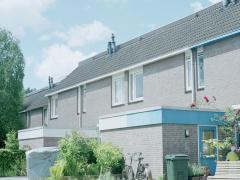
Na decennia van suburbanisatie en bevolkingsgroei lijken de (voormalige) groeikernen in een nieuwe demografische fase van hun bestaan te zijn gekomen. De meeste groeikernen groeien nauwelijks meer en…
Welvaart en Leefomgeving: vier beelden van de regionale ontwikkeling van Nederland tot 2050
De Randstad en andere stedelijke regio’s blijven groeien in de toekomst. In de studie 'Nederland in 2030-2050: twee referentiescenario’s - Toekomstverkenning Welvaart en Leefomgeving' (WLO) hebben het…
Raising the ambition level of INDCs allows for a smoother energy transition
This note presents preliminary calculations on the implications of the INDCs for the long-term international climate goal of keeping global temperature increase below 2 °C, compared to pre-industrial…
Implications of long-term scenarios for medium-term targets (2050)
If fast and substantial reduction of greenhouse gas emissions is postponed further, there are fewer options available to stay below a 2 °C warming at the end of the century. Delayed action is likely…
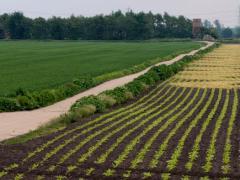
Cahier Landbouw, toekomstverkenning Welvaart en Leefomgeving
De landbouw blijft de belangrijkste en grootste grondgebruiker van Nederland, al neemt het areaal licht af. Europese milieuregels beperken de milieudruk, net als nationaal, provinciaal en soms lokaal…
Cahier Mobiliteit, toekomstverkenning Welvaart en Leefomgeving
Nederlanders leggen steeds meer kilometers af, per auto, trein en fiets. Ook het internationale goederenvervoer neemt toe. Vervoer via de lucht groeit flink, in zowel scenario Hoog als scenario Laag…
 Planbureau voor de Leefomgeving